
There’s no substitute for seeing products properly. So I recently spent a day at PWS in Newton Aycliffe, catching up with Sales Manager Ben Jones, exploring the latest Second Nature collections and getting behind the scenes to see how some of the kitchens we supply are actually made.
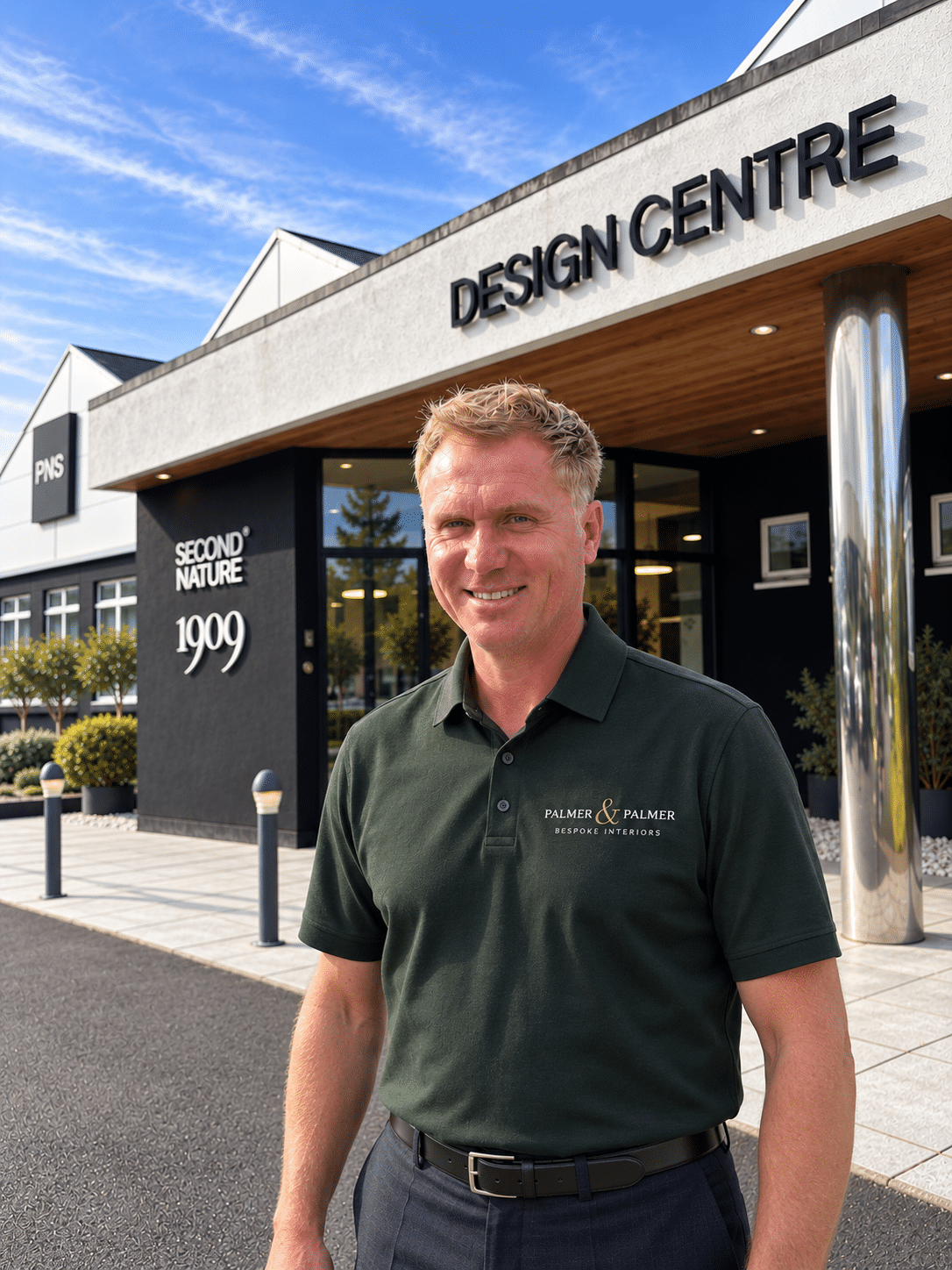
For me, good kitchen design starts with knowing the products.
Brochures and samples are useful, but I want to see things for myself. Open the doors and drawers. Look at colours and finishes together. See how the details work. And understand what’s happening behind the finished product.
That was really the point of my day at PWS — refreshing my product knowledge, seeing what’s new and picking up a few ideas along the way.
So much choice
The first thing that hits you is the sheer amount of choice.
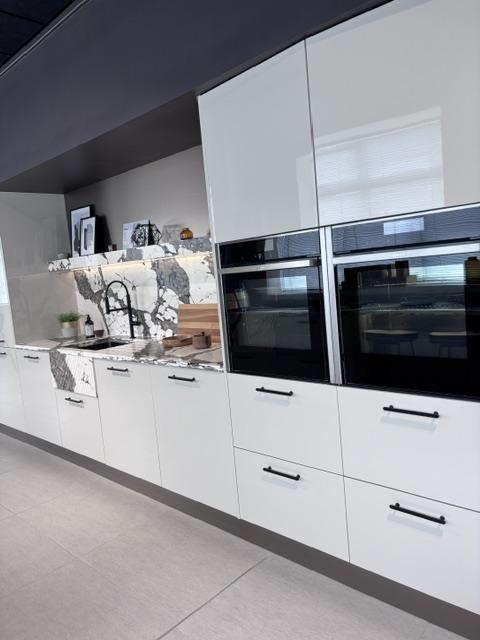
Doors, colours and handles are just the start. There are worktops, internal storage, lighting, appliances and all sorts of details that can completely change how a kitchen looks and works.
I saw some great combinations of timber, stone, painted cabinetry and metallic finishes, alongside clever breakfast and coffee stations, concealed storage and some interesting ways of integrating appliances.
And increasingly, it isn’t just about the kitchen.
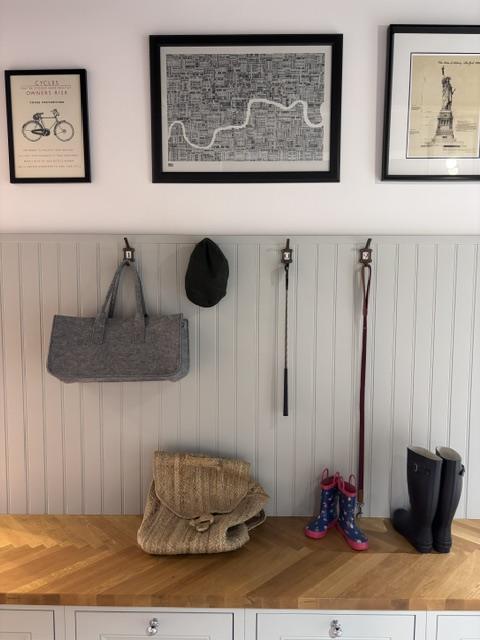

 Boot rooms, utility rooms, fitted living furniture and other areas of the home were all on show too — something that’s particularly relevant to us at Palmer & Palmer as we design more complete interiors.
But having more choice doesn’t mean putting hundreds of samples in front of somebody and asking them to pick.
My job is to narrow that choice down.
To understand how you live, what you like and what your space needs — then find the combination that’s right for you.
From a slab to a finished kitchen
The other fascinating part of the day was getting behind the scenes.
I saw cabinetry in production and the facilities where work surfaces are cut and fabricated. Seeing huge slabs of material waiting to be turned into somebody’s worktop or island gives you a very different perspective on the finished kitchen.
And there was another thing that really stood out.
Just how much of what goes into the kitchens we supply is manufactured here in Britain.
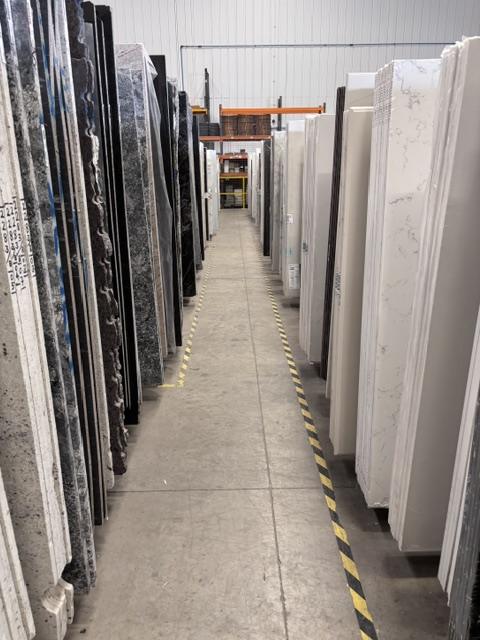
Of course, some things come from further afield. Natural stone is an obvious example, along with appliances and certain materials and components.
But there’s a strong British manufacturing story behind our kitchens that I don’t think we’ve talked about enough.
We will now.
Why it matters
I don’t visit suppliers simply to see what’s fashionable.
I do it because the more I know about the products, materials and possibilities available, the better advice I can give my customers.
Sometimes it’s a new finish that catches my eye. Sometimes it’s a clever storage solution. Sometimes it’s seeing two materials together and immediately thinking, that could really work.
That’s what makes days like this worthwhile.
I came home with plenty of ideas — and rather a lot of photos and video — so I’ll be sharing more from the visit over the next few weeks.
We’ll take a closer look at the British manufacturing behind our kitchens, some of the new ideas that caught my eye and, of course, plenty of inspiration from the Second Nature collection.
Thanks to Ben and everyone at PWS for a fascinating day.
Ewan Palmer
Qualified Interior Designer & Founder
Palmer & Palmer
Beautifully Designed. Perfectly Made. For You.